
Simplified river network · OS Open Rivers
Contains OS data © Crown copyright and database right 2024
Case study
Practical water management for Shrewsbury landowners
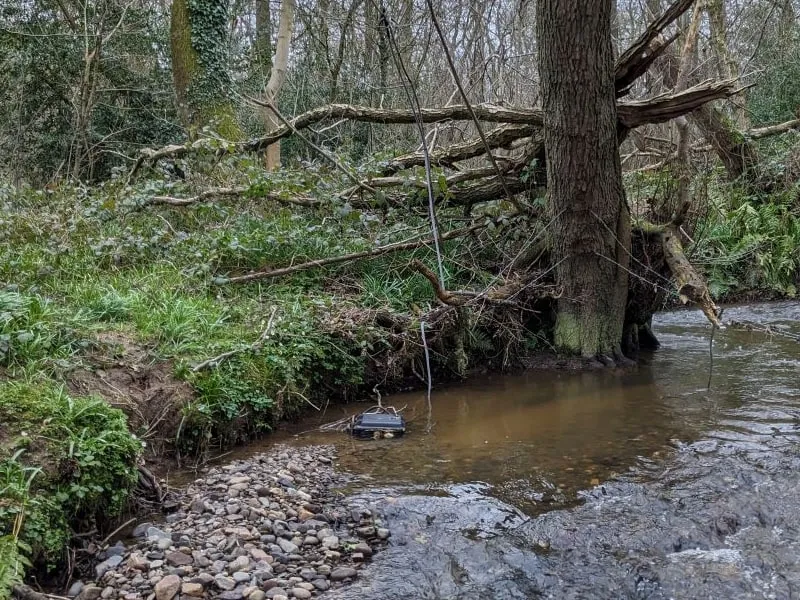
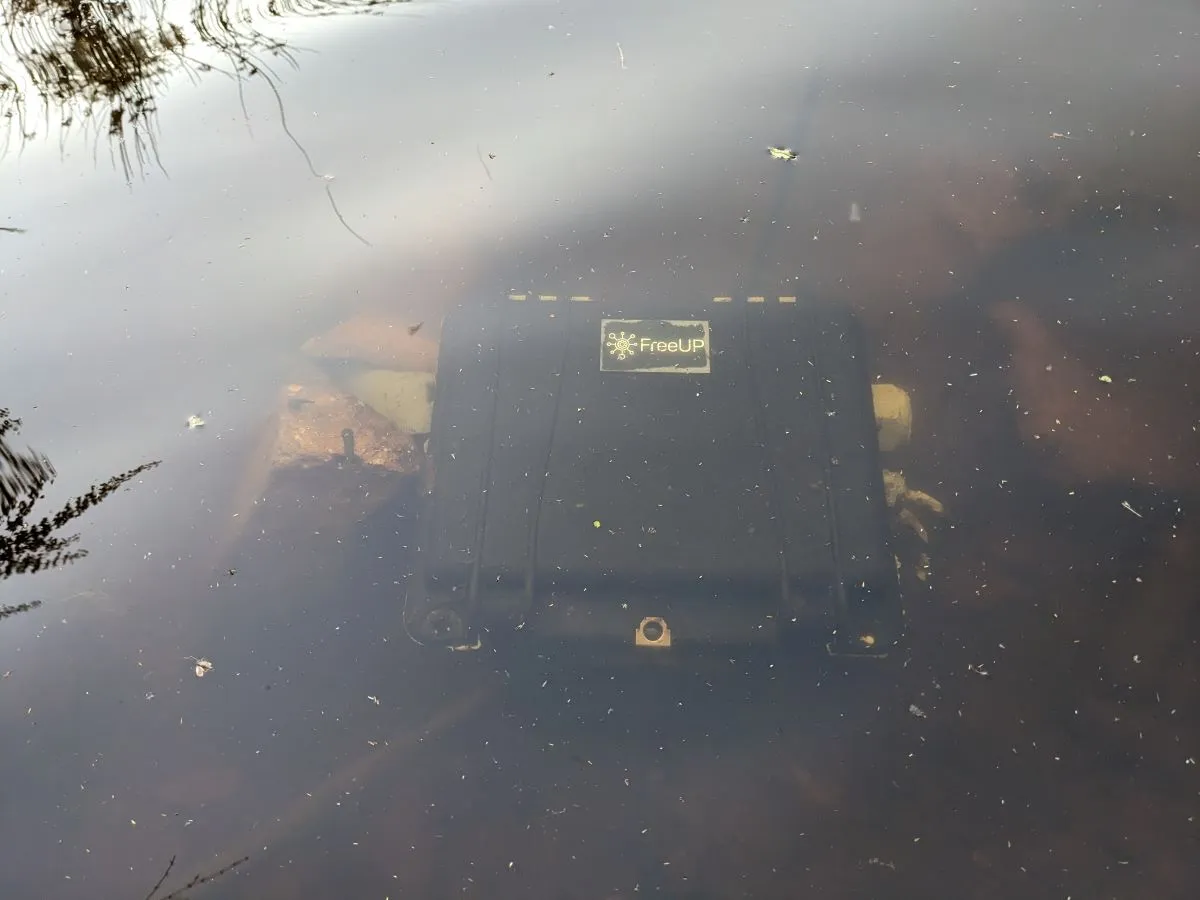
Farmers across three sub-catchments monitored their streams together, in real time, with researchers from Harper Adams University. A million readings later, they knew the rivers could support fish, which parts of the catchment mattered most, and that summer water levels were lower than anyone had realised.
- sensors across multiple farms
- 20+
- sub-catchments monitored
- 3
- unique readings by project end
- 1.1m
- workshops turning data into action
- Qtrly
The need
The need for actionable data
In the catchments of Pontesford Brook, East Onny and Cound Brook, local farmers have long recognised the effect their practices can have on local watercourses. Earlier projects had worked to improve water quality and biodiversity, but the monitoring tools available were too slow, too expensive or too complex to guide timely decisions.
The landowners needed accurate, real-time data to understand the impact of their interventions and to find the sensitive parts of the catchment.
What we found
Key findings
Conditions suitable for fish
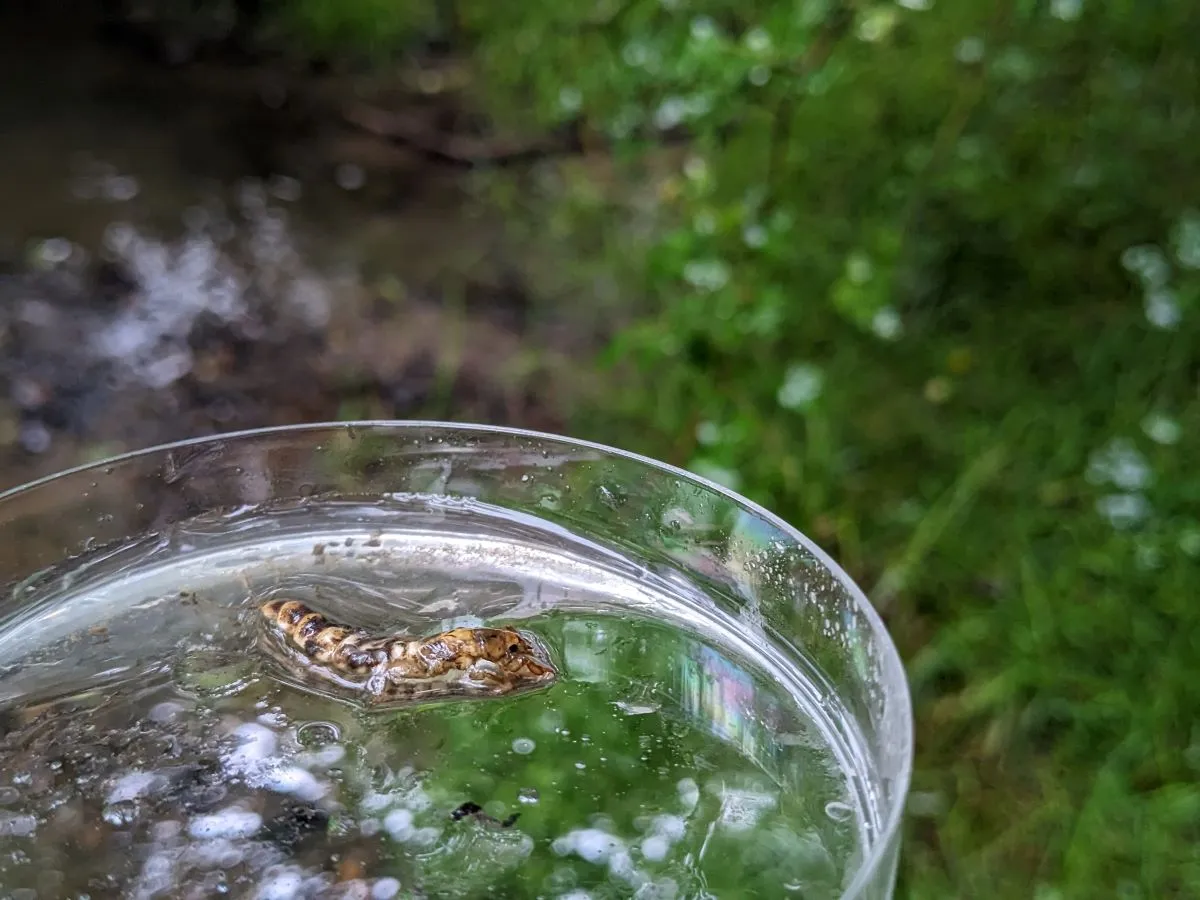
The data showed biohabitat conditions in the rivers were suitable for fish populations, addressing concerns about ecosystem health and laying the foundation for a follow-up government bid.
A hidden water quantity issue
The sensors revealed unexpectedly low water levels in the summer months, a problem that had not been identified before.
Where effort matters most
The project identified specific areas of the catchment with a disproportionate effect on downstream conditions, so farmers could focus their efforts where they count.
Photos
In the field
Planning a catchment project?
Talk to us about monitoring that farmers, researchers and partners can all use.