
What is a sonde?
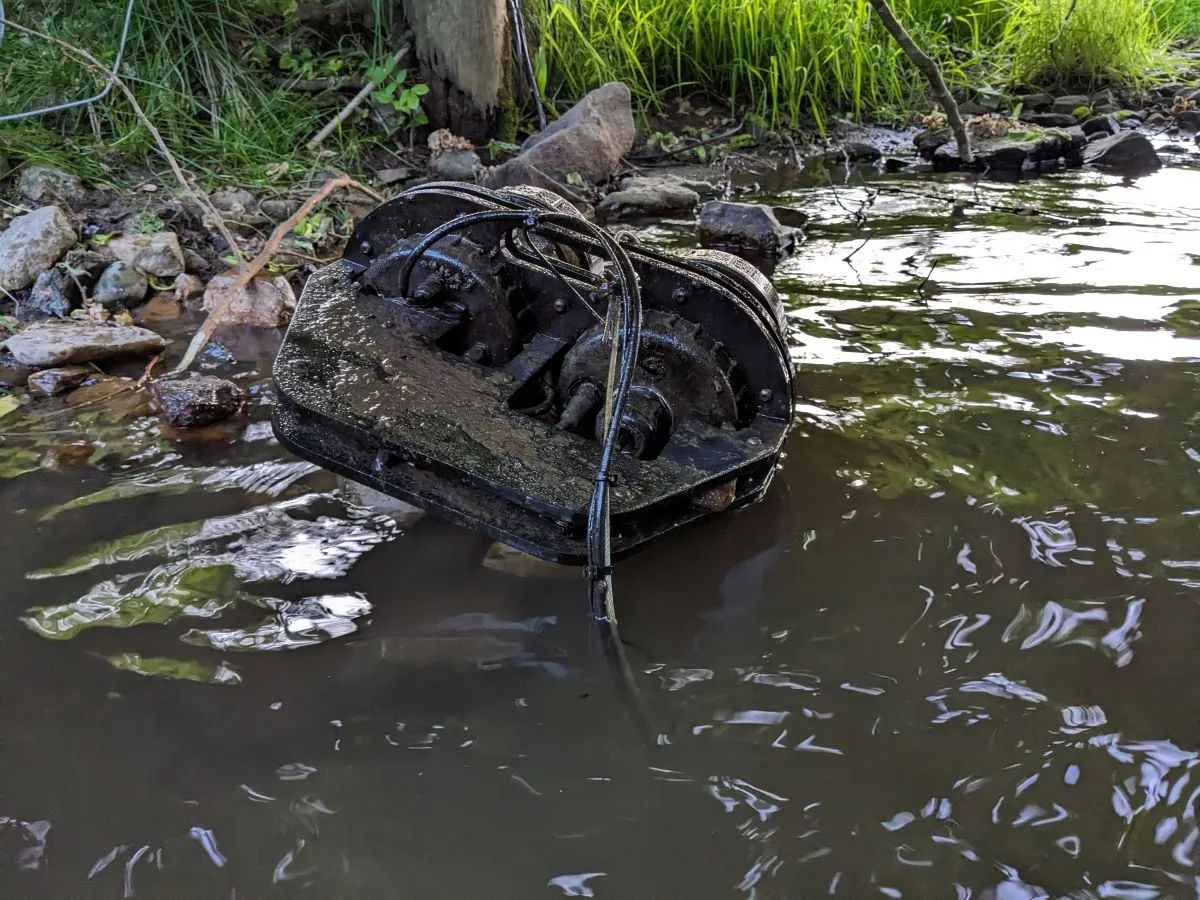
A sonde is an instrument placed in water to measure several quality parameters at once. It is widely used in rivers, the sea and drinking water networks.
Sensor clusters by another name
A sonde typically carries a sensor or a set of sensors, usually in a single housing, that measure parameters such as temperature, pH, dissolved oxygen, conductivity and turbidity. The sensors are usually connected to a data logger or other device that stores the readings and, in many cases, transmits them. This data can then be used to make informed decisions.
Why are they useful?
Sondes are useful because some aspects of water quality, including much of its chemistry, can only be measured in the water itself, by a sensor or from a sample. Satellites and other remote methods cannot measure these directly. It is also impractical to send people to a site every 30 minutes to take a grab sample. Instead, a sonde is left in place and takes measurements on its own at regular intervals, often for weeks at a time, and either logs them for someone to collect and download later or transmits them in real time.
Where are they used?
Sondes are used in many settings, including freshwater and marine environments and drinking water networks. They can be used to monitor water quality, for example as part of measuring river health, track changes in water chemistry and detect pollutants or other contaminants. They can also help to assess the health of aquatic ecosystems, for example by tracking the conditions that fish and other species depend on.
Sondes are often used alongside other monitoring tools and techniques, such as laboratory analysis, remote sensing and modelling, to give a more complete understanding of the environment. Their data is analysed with software that identifies patterns and trends and supports decision-making. Much of the continuous water quality data in published reports comes from sondes or similar in-water instruments.
The main practical challenge is keeping a sonde producing reliable data while it is left in the water: sensors foul, readings drift and equipment needs regular servicing. FreeUP’s Aquwell is designed around this problem, with automated recalibration and sensor cleaning so that it needs fewer site visits.
Summary
Sondes are a valuable tool for environmental monitoring. They allow continuous, often real-time, monitoring of water and provide a wide range of data that helps people understand the health of an ecosystem and decide how to manage and protect it. They also collect information that is important for running and maintaining drinking water networks, and so for protecting human health.